


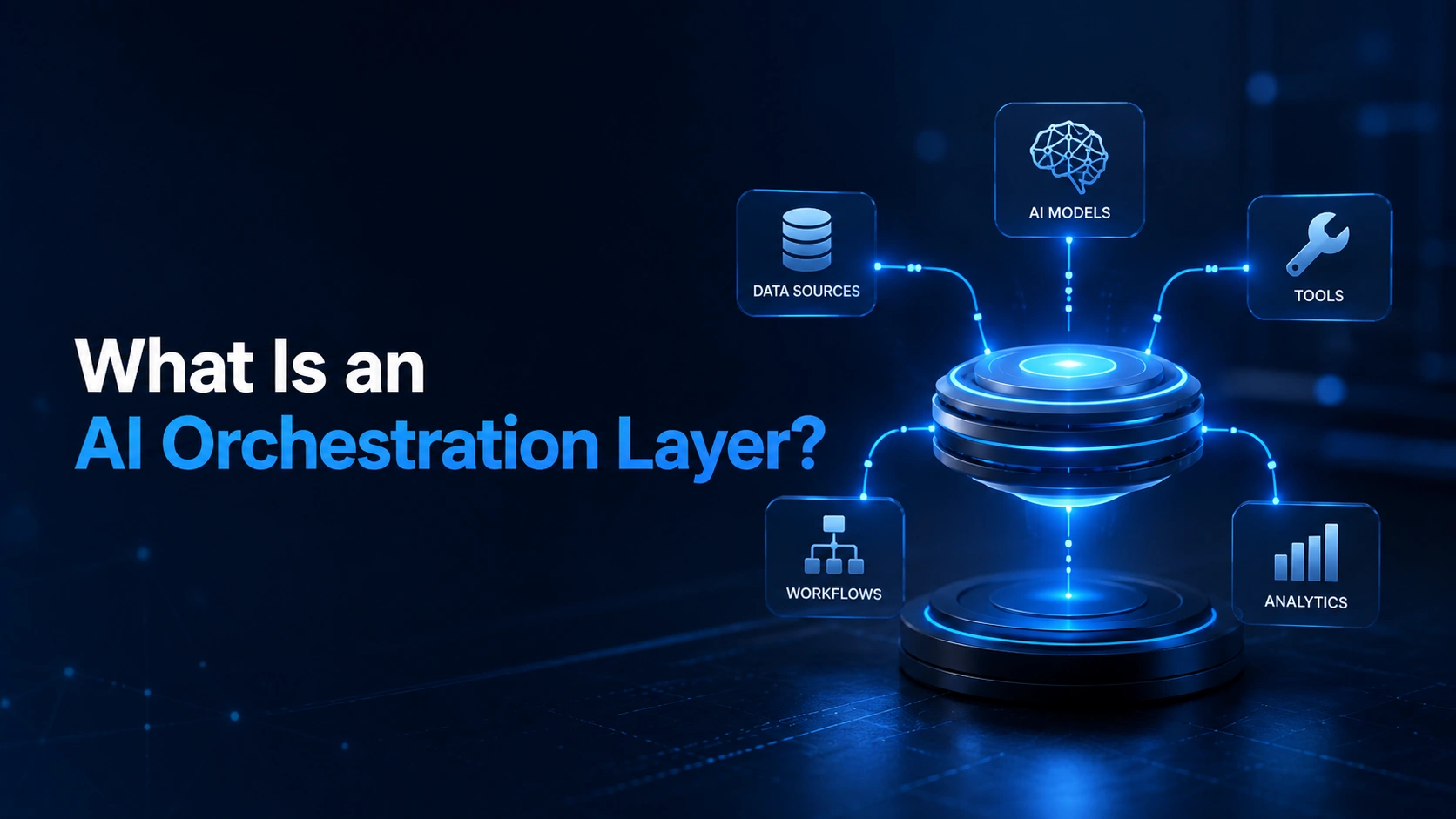
What Is an AI Orchestration Layer?
Why You Need One
A single AI agent can usually handle a narrow, well-defined task. But real business processes – like “onboard a new customer” – often require several specialized capabilities: verifying documents, checking a database, sending communications, and updating records. An orchestration layer coordinates these steps, decides the order, retries failed steps, and keeps the overall process consistent even when individual components fail.
Core Responsibilities of an Orchestration Layer
- Task routing: deciding which specialized agent or tool handles a given sub-task
- State management: keeping track of what’s been done and what’s left, across a multi-step process
- Error handling: retrying, falling back, or escalating to a human when a step fails
- Context passing: making sure information gathered in step one is available in step five
- Observability: logging every decision so the process can be audited and debugged
Common Orchestration Frameworks
Popular frameworks used for orchestration include LangGraph, CrewAI, and AutoGen, each with different strengths – LangGraph favors explicit, graph-based control flow; CrewAI focuses on role-based agent teams; AutoGen emphasizes flexible multi-agent conversation. The right choice depends on how predictable versus dynamic your workflow needs to be.
Frequently Asked Questions
Do I need orchestration for a single simple chatbot?
No – orchestration matters once you have multiple agents, tools, or steps that need to be coordinated. A single-purpose chatbot usually doesn’t need it.
Is orchestration the same as a workflow automation tool like n8n?
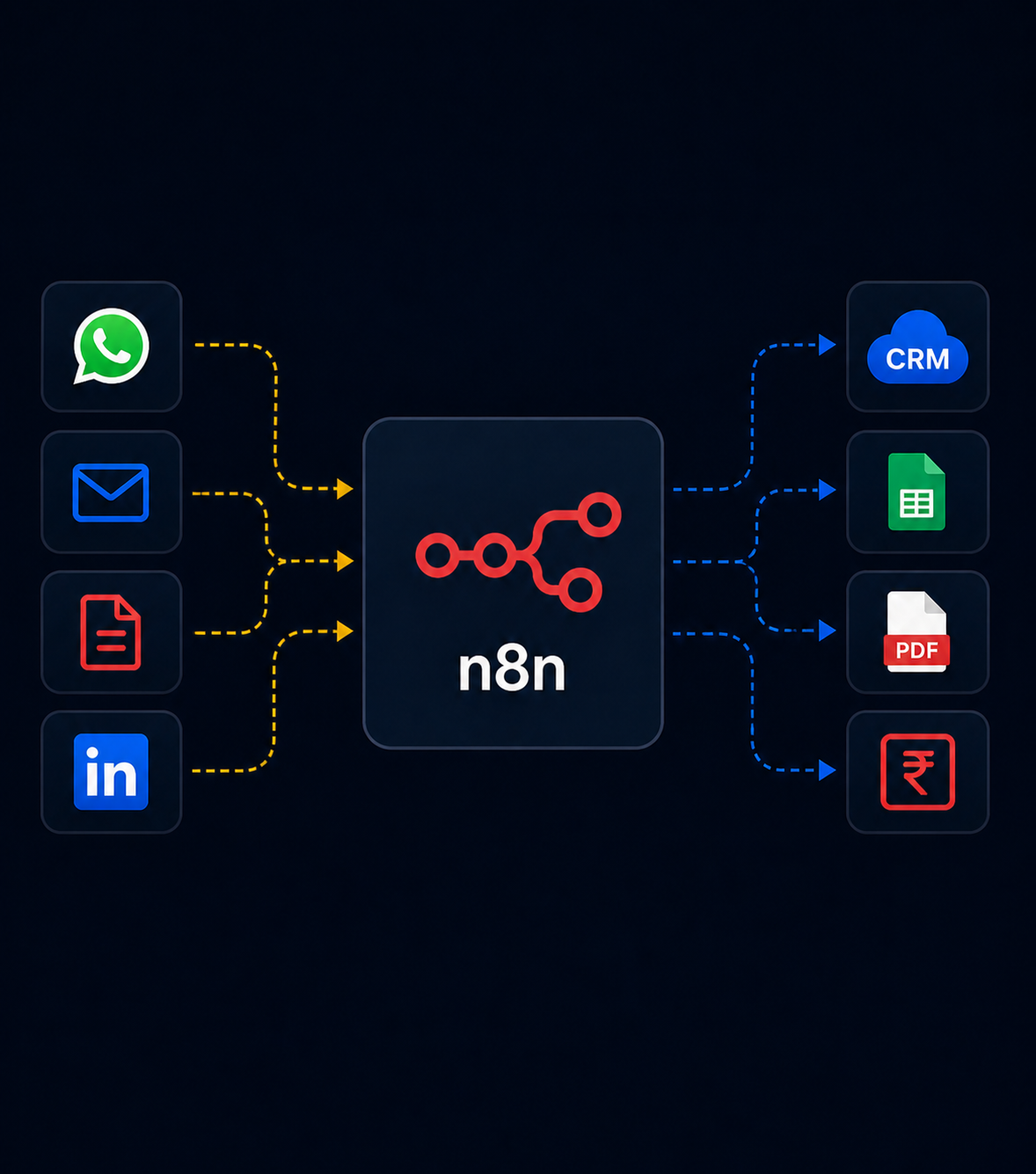
They’re related but distinct. Workflow tools like n8n handle deterministic, rule-based sequencing. AI orchestration layers add reasoning – deciding dynamically which path to take based on the AI’s understanding of the situation, not just fixed rules.
Can orchestration layers fail?
Yes, which is why logging, monitoring, and human escalation paths are essential parts of any production-grade orchestration setup, not optional extras.