
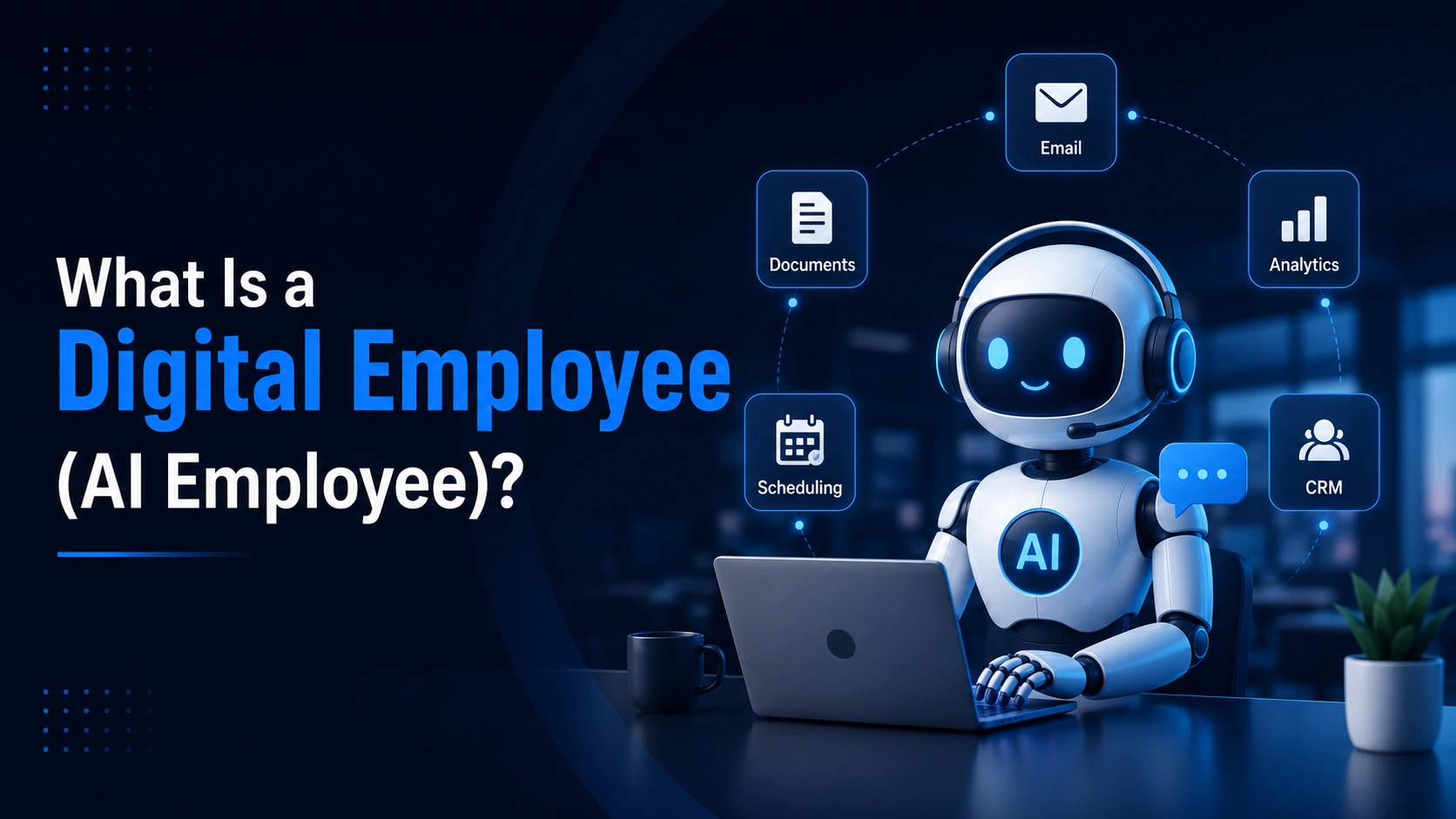
What Is a Digital Employee (AI Employee)?
How This Differs From “Just Using AI Tools”
Using ChatGPT to help draft an email is a tool interaction. A digital employee is framed and built around a role: it has ongoing responsibilities, access to the specific systems that role requires, defined success metrics, and operates continuously rather than only when prompted by a human in the moment.
Common Digital Employee Roles Businesses Deploy
| Role | Core Responsibilities |
|---|---|
| AI SDR (Sales Development Rep) | Qualifies inbound leads, books meetings, updates CRM |
| AI Support Rep | Resolves common tickets, escalates complex issues |
| AI Ops Coordinator | Monitors inventory, flags anomalies, raises purchase orders |
| AI Recruiter Assistant | Screens resumes, schedules interviews, sends updates to candidates |
Setting Realistic Expectations
Digital employees are best thought of as highly capable, tireless junior team members – strong at defined, repeatable responsibilities, but still requiring oversight, clear escalation paths, and periodic performance review, just like a human employee would need onboarding and management.
Frequently Asked Questions
Do digital employees replace human jobs?
Most deployments reallocate human time rather than eliminate roles outright – digital employees absorb the repetitive parts of a role, while humans focus on judgment-heavy, relationship-driven, or exception-handling work.
How is a digital employee’s performance measured?
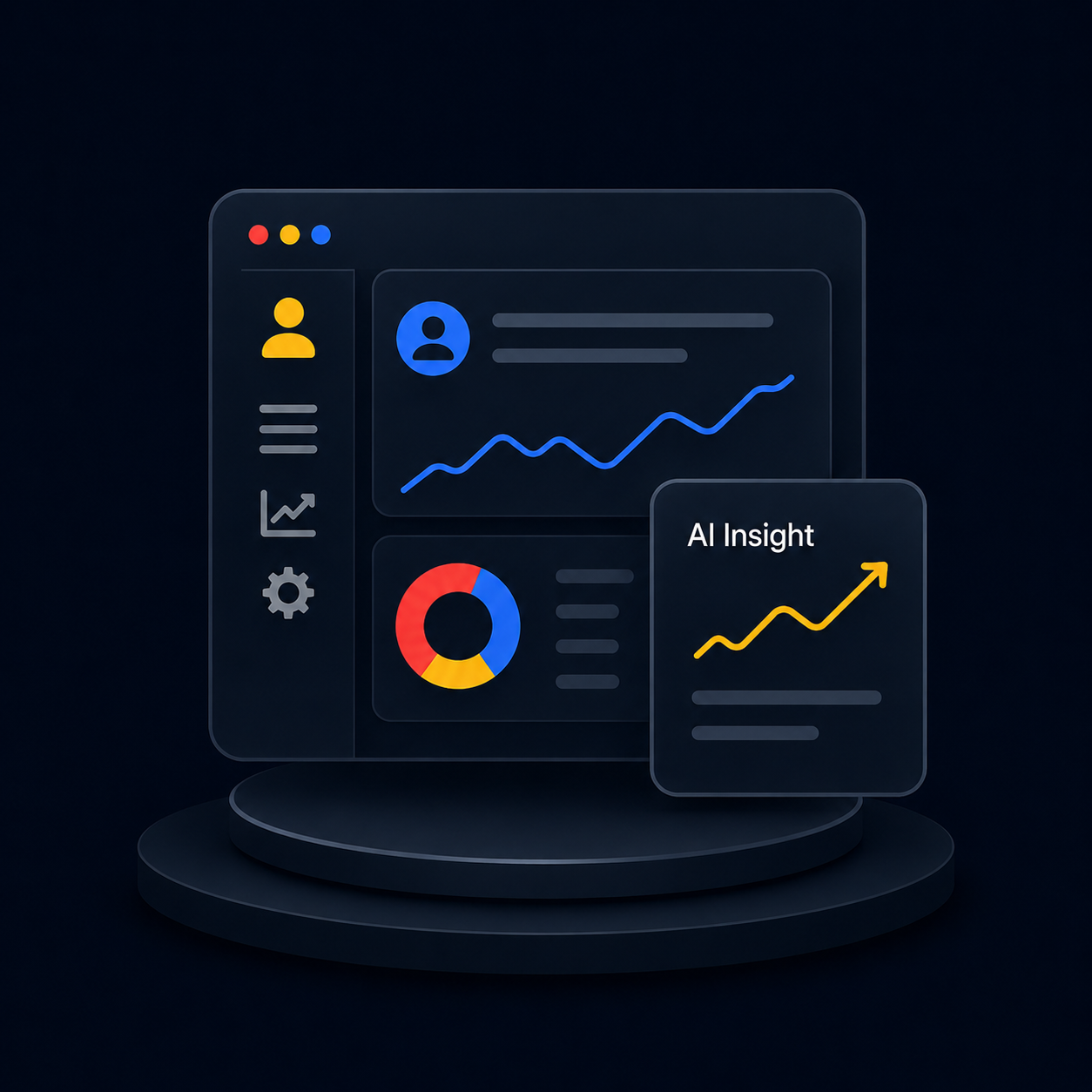
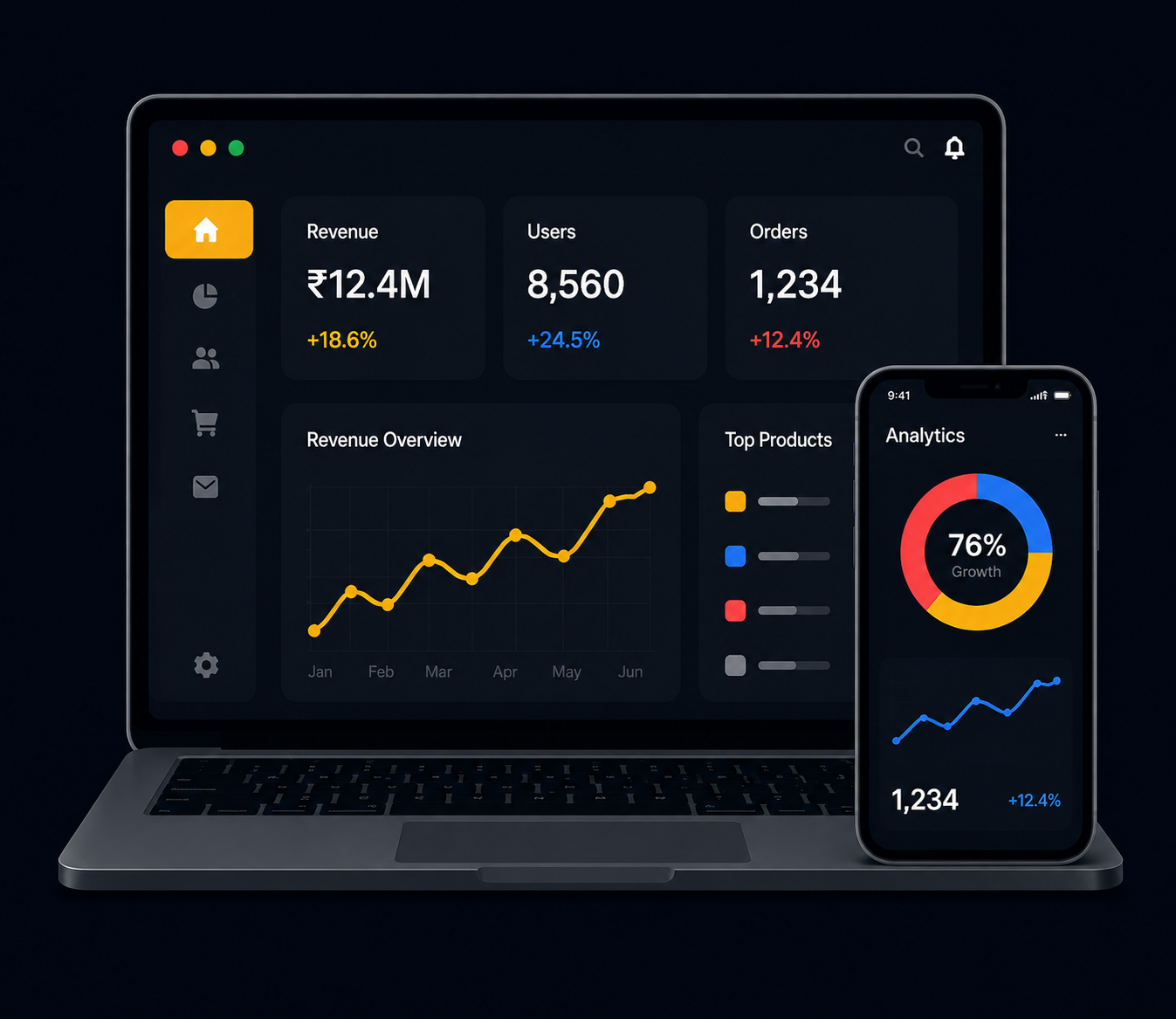
The same way a human role would be – response time, resolution rate, conversion rate, or accuracy, depending on the role, with dashboards tracking these metrics over time.
Can one digital employee handle multiple roles?
It’s technically possible, but best practice is to scope each digital employee to a focused role – broader scope tends to reduce reliability and makes performance harder to evaluate.