



The Future of AI Automation in India: Trends to Watch Through 2027
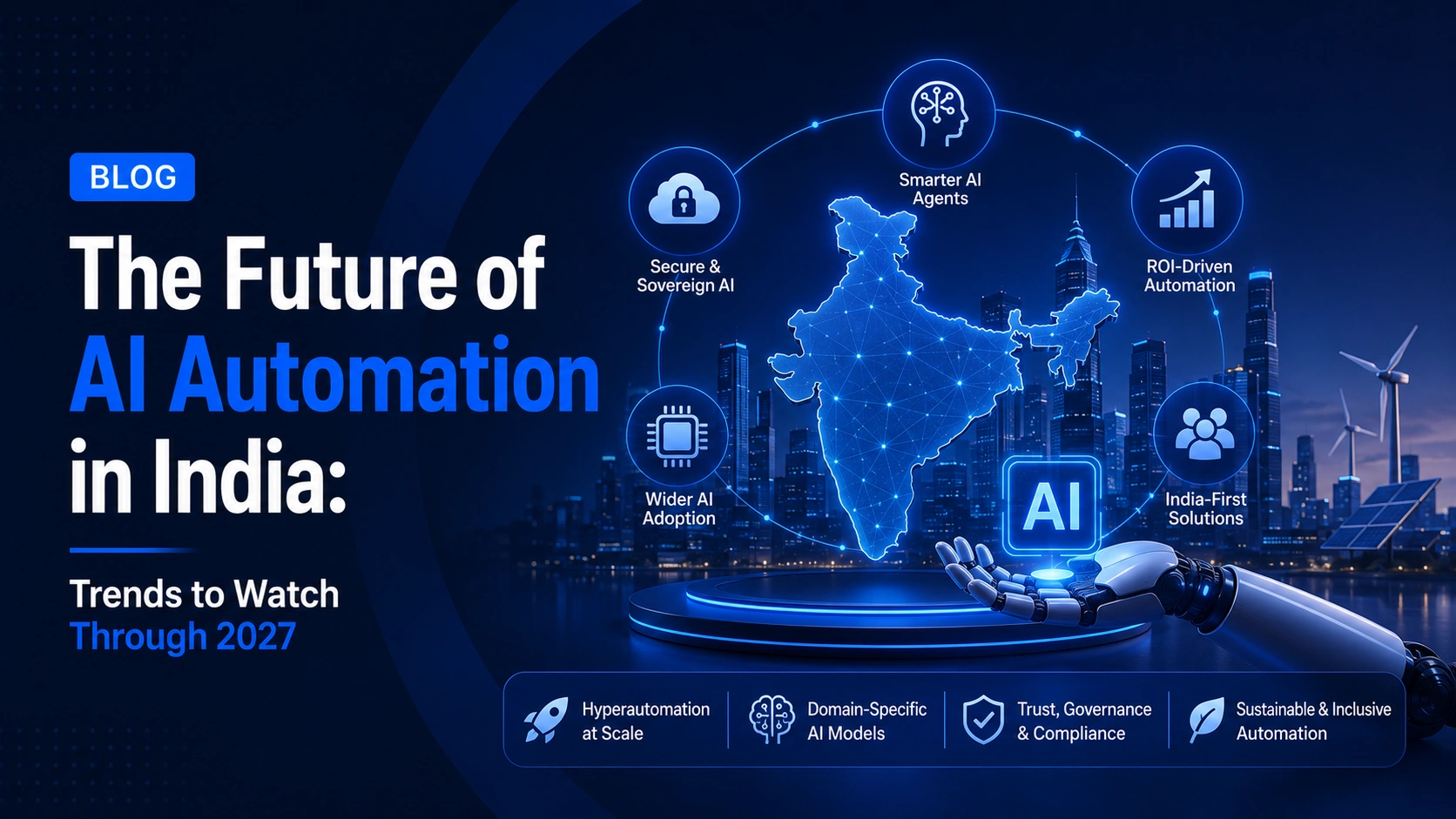
Trend 1: Regional-Language Voice AI Goes Mainstream
As speech-to-text and text-to-speech models improve for Hindi and regional Indian languages, voice-based AI agents will become viable for tier-2 and tier-3 city customer bases that current English-first chat automation underserves – opening automation to a much larger share of Indian consumers.
Trend 2: Data Sovereignty Becomes a Default Requirement, Not an Option
As DPDP Act enforcement matures, expect more businesses – not just regulated industries like healthcare and finance – to ask where their AI vendor’s data actually lives, pushing broader adoption of on-premise and India-hosted AI infrastructure.
Trend 3: Multi-Agent Systems Replace Single-Purpose Bots
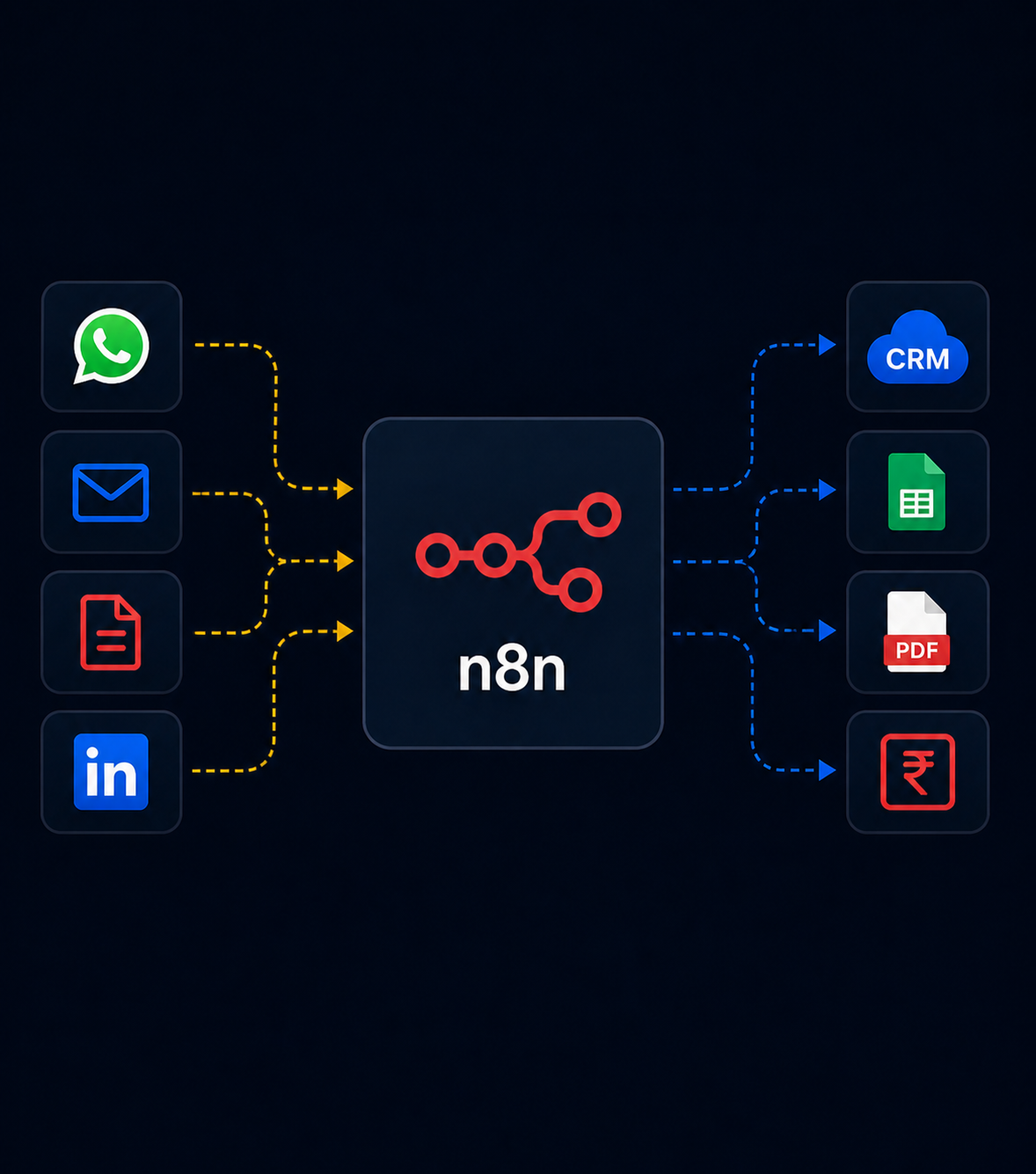
The current generation of single-task chatbots and simple automations is giving way to coordinated multi-agent systems – where a sales agent, a support agent, and an operations agent share context and hand off tasks to each other, orchestrated as one coherent system rather than disconnected point solutions.
Trend 4: AI Automation Becomes a Baseline Expectation
As more competitors adopt instant response times, 24/7 availability, and AI-assisted service, businesses that haven’t automated their repetitive workflows will increasingly be at a real competitive disadvantage – not just missing an efficiency opportunity, but falling behind on basic customer expectations.
What This Means for Business Owners Today
| If You… | Consider Starting With |
|---|---|
| Serve tier-2/3 city customers | Regional-language voice or WhatsApp agents |
| Handle sensitive customer data | Evaluating on-premise/sovereign AI options now, ahead of enforcement |
| Already have a basic chatbot | Expanding it into a true multi-step agent with CRM/tool integration |
| Haven’t automated anything yet | Starting with one high-friction workflow to build internal confidence |
Frequently Asked Questions
Is it too early or too late for an Indian SMB to start with AI automation?
Neither – adoption is still in its early-to-middle phase for most SMBs, meaning there’s still a real competitive advantage available to businesses that automate now, before it becomes table stakes.
Will AI automation get cheaper over the next few years?
Model costs per API call have generally trended downward as models improve efficiency, though total automation costs depend on scope and complexity, not just underlying model pricing.
What’s the biggest mistake businesses make when starting with AI automation?
Trying to automate too much at once instead of proving ROI on one focused workflow first – a narrow, well-executed first project builds the internal trust needed to expand automation further.